When it comes to home safety, few things are as important—and as misunderstood—as your electrical system. Many homeowners assume that if the lights turn on and the outlets work, everything must be fine. In reality, a home can appear to function normally while still failing to meet current electrical code standards. One of the most common compliance gaps in residential properties today involves arc-fault breakers. Understanding what they are, where they’re required, and why they matter can help you determine whether your home is truly up to code.
What Is an Arc-Fault Breaker?
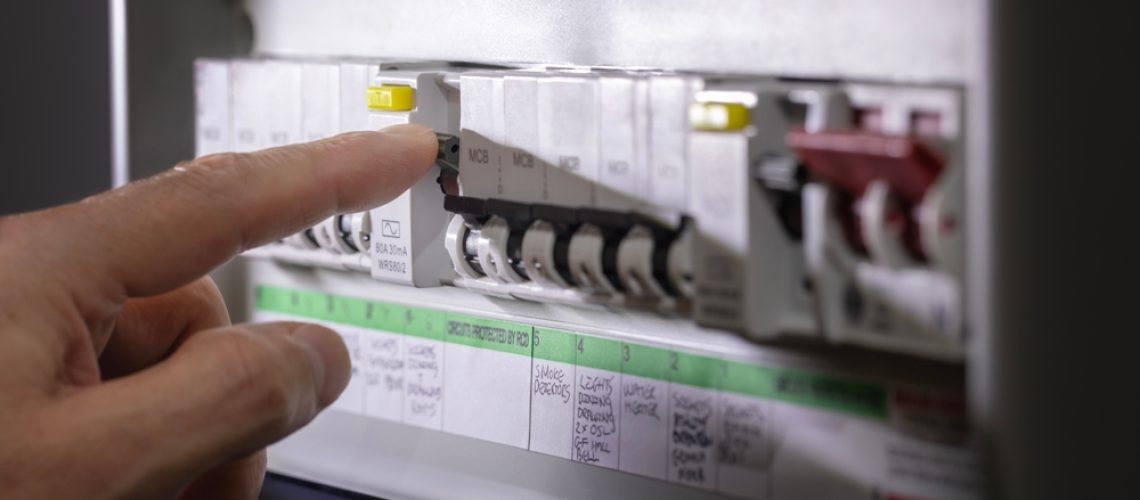
An arc-fault circuit interrupter, commonly called an arc-fault breaker, is designed to detect dangerous electrical arcing conditions. Arcing occurs when electricity jumps across damaged wires, loose connections, or deteriorated insulation, creating intense heat that can lead to electrical fires. Unlike standard breakers that respond mainly to overloads or short circuits, arc-fault breakers monitor the quality of the electrical current itself.
When an unsafe arc is detected, the breaker shuts off power immediately, reducing the risk of fire hazards behind walls, ceilings, or outlets—areas homeowners can’t easily see or access.
Why Arc-Fault Breakers Are Required by Code
Modern electrical codes are based on years of fire data, safety research, and real-world incidents. Studies have shown that a significant number of residential fires originate from hidden electrical faults rather than visible overloads. As a result, building codes have evolved to require arc-fault protection in areas of the home where people live, sleep, and use everyday electrical devices.
Today, arc-fault breakers are required in most habitable spaces, including bedrooms, living rooms, dining rooms, hallways, and often family rooms and offices. In newer code updates, requirements have expanded to cover even more areas, depending on local regulations.
If your home was built or remodeled years ago, there’s a strong chance it does not meet current arc-fault breaker requirements.
Signs Your Home May Not Be Up to Code
Many homes remain out of code simply because electrical standards change over time. A house that was compliant when it was built may no longer meet today’s electrical safety requirements.
Common indicators include:
- A breaker panel with older-style breakers only
- Frequent breaker trips with no obvious cause
- Flickering lights or buzzing outlets
- Recent renovations that did not include electrical upgrades
These issues don’t automatically mean your home is unsafe, but they do suggest it’s time for a professional electrical evaluation.
Common Misconceptions About Arc-Fault Breakers
One common myth is that arc-fault breakers are optional upgrades. In reality, they are code-mandated in many parts of the home for new construction and major renovations. Another misconception is that nuisance tripping means the breaker is defective. While early versions of arc-fault technology were overly sensitive, modern breakers are far more reliable. Frequent tripping often points to real wiring issues that should not be ignored.
Some homeowners also believe that replacing outlets alone is enough. In most cases, arc-fault protection must be provided at the breaker level, not just at individual receptacles.
Why Compliance Matters Beyond Inspections
Meeting electrical code requirements isn’t just about passing inspections or selling your home. Code-compliant electrical systems are designed to protect lives and property. Homes without proper arc-fault protection face higher fire risk, increased insurance concerns, and potential complications during real estate transactions.
Insurance providers may question claims involving electrical fires if the system was not properly updated. Buyers may also request electrical corrections before closing, turning a preventable upgrade into a last-minute expense.
How an Electrician Can Help
Determining whether your home meets current arc-fault requirements isn’t something most homeowners can do on their own. A licensed electrician in New Orleans can inspect your electrical panel, evaluate circuit layouts, and identify where arc-fault breakers are required or missing.
If upgrades are needed, a professional electrician ensures the correct breakers are installed, wiring is properly configured, and everything meets local and national electrical codes. Just as importantly, they can identify underlying electrical wiring problems that arc-fault breakers are designed to catch, addressing issues before they become serious hazards.
Conclusion
Electrical safety standards exist for a reason, and arc-fault breaker requirements play a major role in protecting modern homes. If your house hasn’t been evaluated recently, there’s a good chance it may not meet current electrical code—even if everything seems to be working fine.
For peace of mind and long-term home safety, contact B Powered Electric to schedule a professional home electrical inspection. A trusted electrician in New Orleans can help ensure your home is up to code, properly protected, and safe for everyone inside.