Storm season in New Orleans can bring strong winds, heavy rain, and long power outages. When the power goes out, your air conditioner, refrigerator, lights, and home security system may stop working. A backup generator can supply power until the local grid is restored. Installing one early gives a licensed electrician in New Orleans time to prepare your home before severe weather arrives.
Keep Important Home Systems Running
A whole-home generator can keep many parts of your home working during an outage. Based on its size, it may power your refrigerator, lights, air conditioner, internet equipment, and other needed systems. This can make a long outage safer and less stressful for your family. A licensed electrician can review your home’s power use and help you choose a generator system that supports the appliances and circuits you want to keep running.
Protect Food and Other Household Items
A refrigerator can only keep food cold for a limited time without electricity. During a long outage, meat, milk, medicine, and frozen food may need to be thrown away. A standby generator can keep your refrigerator and freezer running when utility power is lost. This may help you avoid food waste and the cost of replacing spoiled items after each storm.
Maintain Cooling During Hot Weather
Storm season often happens during some of the hottest months in New Orleans. Without electricity, indoor temperatures can rise quickly. Heat and humidity can make the home uncomfortable, especially for young children, older adults, and people with some health conditions. A properly sized home generator may be able to support your air conditioner or selected cooling equipment. An electrician in New Orleans can calculate the power needed and explain which cooling systems the generator can handle.
Receive Power Automatically During an Outage
A standby backup generator can start automatically when it detects a loss of utility power. An automatic transfer switch safely moves the home from the utility supply to generator power. When local power returns, the switch moves the home back to the grid and the generator shuts down. This automatic process is useful when an outage happens at night or while you are away from home. It also removes the need to connect a portable unit during dangerous weather.
Reduce the Risk of Unsafe Generator Use
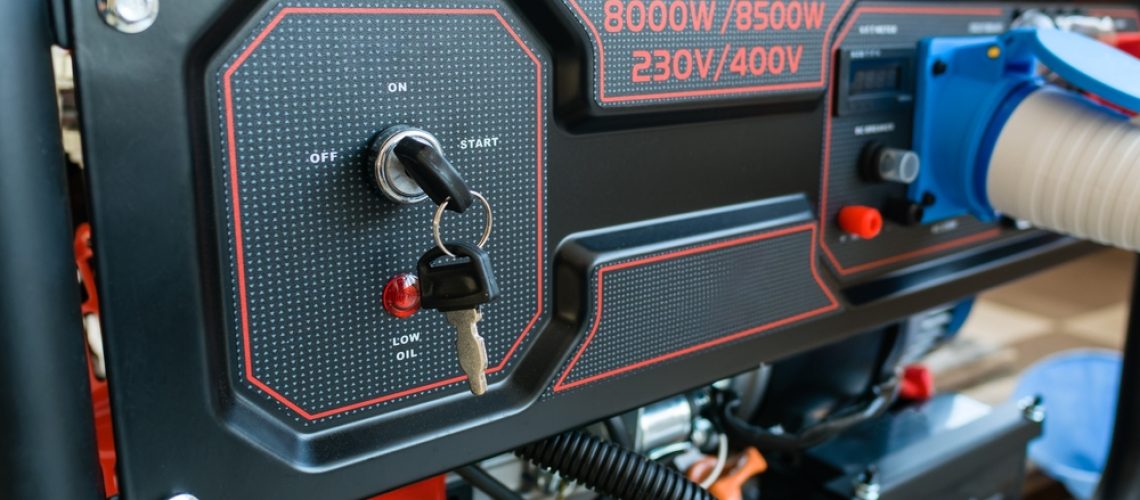
Portable generators can create serious risks when they are used too close to a home or connected the wrong way. A permanent generator installation is planned around safe placement, ventilation, fuel supply, and electrical connections. The generator is connected to the home through approved equipment instead of extension cords. A licensed generator electrician completes the work according to electrical and safety codes. The homeowner should still follow all care and operating rules from the manufacturer.
Support Medical and Security Equipment
Some homes rely on powered medical devices, mobility equipment, security cameras, alarms, or electric gates. A long outage can stop this equipment from working. A residential backup generator can provide another source of power for selected circuits during an emergency. Tell your electrician which equipment matters most so it can be included when the generator capacity and electrical setup are planned.
Avoid the Rush Before a Major Storm
Many homeowners start calling for generators when a named storm is already approaching. At that point, equipment may be harder to find and installation schedules may be full. A proper generator installation also takes planning. The electrician must review the home, calculate its power demand, choose a location, prepare the electrical connections, and test the finished system. Scheduling the work before storm season gives you more time to choose the right unit without pressure.
Add Reliable Power for Future Outages
A generator is useful during more than hurricanes. Utility problems, fallen trees, damaged power lines, and equipment failures can also leave a home without electricity. A professionally installed whole-house generator offers long-term backup power for many types of outages. It can be a helpful upgrade for homeowners who have faced repeated power loss or who want stronger storm preparation.
Choose the Right Generator Size
A generator that is too small may not carry the circuits you want to use. A unit that is larger than needed may cost more without adding much value. A qualified electrician in New Orleans can complete a load calculation based on your appliances, cooling system, lighting, and other equipment. This helps match the generator to your home’s real power needs. The electrician can also check if the electrical panel needs any updates before installation.
Plan for Generator Maintenance
A generator must stay ready even when it has not been used for months. Routine generator maintenance may include checking the battery, oil, filters, fuel system, and electrical connections. The unit should also be tested before storm season begins. Regular care can help find weak parts before an outage occurs. Follow the maker’s service schedule and arrange professional maintenance when needed.
Prepare for Storm Season with B Powered Electric
Installing a generator early gives your family a dependable source of power before severe weather reaches New Orleans. B Powered Electric provides backup generator installation, electrical connections, system testing, and generator maintenance for local homeowners. Contact B Powered Electric today to schedule an estimate with a licensed electrician in New Orleans and prepare your home for the next power outage.